


If you have ADHD, you know the feeling. It’s like having 45 tabs open in your brain’s browser. You’re trying to read one, but the music is playing from another, and you can’t find the pause button.
For years, the standard solution has been more caffeine. But for an ADHD brain, too much caffeine can backfire. It can turn that lack of focus into jittery anxiety. That is why so many people are trading their third espresso for functional mushrooms.
But which one do you actually need? Is Lion’s Mane just hype? Will Cordyceps make you too energetic? Let’s look at the science of the "Big Three" mushrooms and see which one deserves a spot in your morning mug.
1. Lion’s Mane: The Brain Builder

If you are looking for focus, this is your MVP. Lion’s Mane (Hericium erinaceus) is widely considered the top functional mushroom for cognitive health.
How It Works
Lion’s Mane contains compounds called hericenones and erinacines. These stimulate your body to produce something called Nerve Growth Factor (NGF) [1].
Think of your brain cells like electrical wiring. Over time, or when you are stressed and scattered, that wiring can get a little frayed. NGF is like the insulation crew. It helps repair and maintain those connections. Better connections mean signals travel faster and clearer.
The ADHD Connection
For the ADHD brain, the benefit here is clarity. It is not about a manic burst of energy. It is about removing the brain fog so you can actually finish the task in front of you.
- Best For: Memory, focus, and clearing brain fog.
- The Vibe: Turning down the background noise.
2. Cordyceps: The Energy Battery

While Lion’s Mane works on the brain, Cordyceps works on the body. If your ADHD manifests as physical fatigue or that dreaded mid-afternoon crash, Cordyceps is the one to watch.
How It Works
Cordyceps helps your body produce ATP (adenosine triphosphate) [2]. In plain English, ATP is the energy currency of your cells. It also improves how your body uses oxygen.
Imagine your energy levels are a phone battery. Regular caffeine is like a cheap charger that works fast but heats up the phone. Cordyceps is like upgrading the battery itself. It increases your baseline energy capacity.
The ADHD Connection
Many people with ADHD struggle with executive dysfunction, which can feel like physical exhaustion. You want to do the laundry, but you feel glued to the couch. Cordyceps provides the physical "get up and go" without the nervous jitters of high-dose caffeine.
- Best For: Physical energy, stamina, and fighting fatigue.
- The Vibe: Waking up on the right side of the bed.
3. Chaga: The Shield

Chaga is less about immediate focus and more about long-term defense. It is an adaptogen, which means it helps your body handle stress.
How It Works
Chaga is packed with antioxidants. In fact, it has one of the highest antioxidant scores of any food on the planet, helping it inhibit oxidative stress and protect cellular DNA [3].
Think of inflammation as "rust" in your biological gears. When your system is inflamed, everything runs slower and harder. Chaga is the rust-proofing.
The ADHD Connection
Stress makes ADHD symptoms worse. When you are stressed, your executive function drops, and emotional regulation becomes harder. By helping your body balance its stress response, Chaga creates a calmer internal environment where your brain can actually work.
- Best For: Immunity, inflammation, and stress relief.
- The Vibe: A deep breath for your nervous system.
The Comparison: Which One Wins?
If you have to pick just one, it depends on your biggest struggle. Here is the quick breakdown.
| Mushroom | Superpower | Best For... |
|---|---|---|
| Lion's Mane | Brain Health (NGF) | Focus & Memory. If you forget why you walked into a room. |
| Cordyceps | Cellular Energy (ATP) | Fatigue. If you feel too tired to start tasks. |
| Chaga | Defense (Antioxidants) | Stress. If you feel burned out and on edge. |

Why You Shouldn't Just Pick One
Here is the secret. You don't actually have to choose. In fact, these mushrooms work better when they are together. This is often called "stacking."
When you combine Lion’s Mane (for the brain) with Chaga (for the stress), you get a unique result. You get alert, but you stay calm. This is the holy grail for ADHD management.
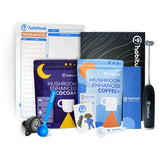
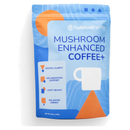
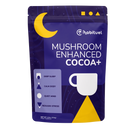
This is exactly why we formulated Habituel the way we did. We didn't just throw random fungi in a bag. We prioritized a heavy dose of Lion's Mane to tackle the focus issue directly, then supported it with Chaga to keep the jitters away.
The Habituel Difference
Most mushroom coffees taste like dirt. We fixed that. But more importantly, we use 100% fruiting body extracts. Many cheaper brands grind up the "mycelium" (the root system), which is mostly just oats and rice. That is like brewing coffee using the leaves instead of the beans.
With Habituel, you get the actual active compounds that show up in the research. You get the focus. You get the calm. And you get a really good cup of coffee.
Final Thoughts
ADHD is complex, and there is no magic pill. But small changes to your routine can make a massive difference. Switching from high-caffeine energy drinks to a balanced mushroom blend is one of the kindest things you can do for your brain.
Next Step: Curious if it will work for your brain chemistry? Try swapping your first cup of the day with Habituel for one week. Pay attention to how you feel at 2:00 PM. If you don't feel that usual crash, you’ll know it’s working.
References
- Lai, P. L., Naidu, M., Sabaratnam, V., Wong, K. H., David, R. P., Kuppusamy, U. R., Abdullah, N., & Malek, S. N. A. (2013). Neurotrophic properties of the Lion's Mane medicinal mushroom, Hericium erinaceus (Higher Basidiomycetes) from Malaysia. International Journal of Medicinal Mushrooms, 15(6), 539–554. https://doi.org/10.1615/IntJMedMushr.v15.i6.30
- Shashidhar, M. G., Giridhar, P., Udaya Sankar, K., & Manohar, B. (2013). Bioactive principles from Cordyceps sinensis: A potent food supplement - A review. Journal of Functional Foods, 5(3), 1013–1030. https://doi.org/10.1016/j.jff.2013.04.018
- Najafzadeh, M., Reynolds, P. D., Baumgartner, A., Jerwood, D., & Anderson, D. (2007). Chaga mushroom extract inhibits oxidative DNA damage in lymphocytes of patients with inflammatory bowel disease. BioFactors, 31(3-4), 191–200. https://doi.org/10.1002/biof.5520310306