
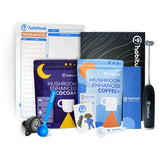
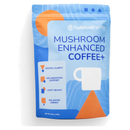
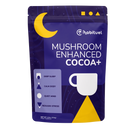


If you're shopping for mushroom coffee, the options can feel overwhelming. From trendy brands with flashy marketing to quiet wellness companies with clinical formulations, it’s tough to tell what’s hype and what’s legit. This guide will walk you through how to spot high-quality mushroom coffee using science-backed criteria—and show you why Habituel stands out.
1. Prioritize Therapeutic Dosages
Just listing ingredients like Lion’s Mane or Chaga on the label is not enough. What matters most is the amount of those ingredients. Human trials tend to use whole grams, not a milligram dusting. A clinical trial of Lion’s Mane used about 3 grams per day of dried powder (Mori 2009), and a randomized trial of Turkey Tail polysaccharopeptide used 3,600 mg per day (Pallav 2014). Compare that with what is actually in the scoop.
Red flag: If a product blends 6 or more mushrooms into 1,000 to 2,000 mg total, you are getting only a few hundred milligrams of each. That is a fraction of the amounts used in the trials above.
Habituel Example:
- 3,750 mg of functional mushrooms per serving
- High doses of Lion’s Mane, Chaga, and Turkey Tail—no fillers, no fairy dust
2. Understand the Mushroom Types
Each mushroom serves a different purpose. Here's a breakdown of common ones used in mushroom coffee and what they’re best known for:
- Lion’s Mane: Cognitive function and memory support (Source)
- Chaga: Rich in antioxidants. Its anti-inflammatory and immune-modulating activity has been observed mainly in laboratory and animal studies (Source)
- Turkey Tail: Studied for its prebiotic effect on the gut microbiome in a randomized trial in healthy adults (Source)
Make sure your coffee has a purposeful formulation with mushrooms chosen for their functional benefits, not just trendiness.
3. Sourcing and Quality
High-quality mushroom coffee should use fruiting bodies (not mycelium on grain), be dual-extracted, and ideally third-party tested. Mycelium and fruiting bodies differ meaningfully in their metabolite profiles, and mycelium grown on grain carries starch from that substrate (Source).
Look for:
- 100% fruiting body extract
- No fillers like oats or rice flour
- Clear sourcing and lab testing information
4. Caffeine Content and Functional Additions
If you're switching to mushroom coffee for sustained energy, you don’t want a high-caffeine drink that just mimics regular coffee. Look for blends that pair small amounts of caffeine (25–50 mg) with functional ingredients like:
- L-Theanine: Paired with caffeine, studied for attention-switching accuracy and calm alertness (Source)
- Collagen: Supports skin, joints, and recovery
5. Watch Out for Marketing Tricks
Some brands lean heavily on influencer marketing, vague claims, and flashy names—but don’t deliver on substance. Here are a few common red flags:
- Proprietary blends that hide the real dosages
- “Organic mushroom blend” with no details on type or amount
- Buzzwords like “superfood coffee” with no explanation
Habituel: The No-B.S. Option
We built Habituel for people who care about science, transparency, and results. Here’s how we compare:
| Brand | Mushroom Dose | Caffeine | Functional Additions | Price per Serving |
|---|---|---|---|---|
| Habituel | 3,750 mg (3 mushrooms) | 35 mg | 150 mg L-theanine, 4 g collagen | $0.85-$1.00 |
| RYZE | 2,000 mg (6 mushrooms) | ~48 mg (dark roast 80-90 mg) | Prebiotic fiber blend | $0.90-$1.20 |
| Everyday Dose | 1,500 mg (2 mushrooms) | 45 mg mild / 90 mg medium | 150 mg L-theanine, 4-5 g collagen | $0.97-$1.20 |
Competitor figures taken from each brand's published product pages, July 2026. Formulations and pricing change; check the current label before you buy.
The Bottom Line
If you're serious about wellness and want to get actual benefits from your mushroom coffee, dosage and ingredient quality matter. Habituel is built to match what the research says works—without cutting corners or inflating prices.
Shop now and try a mushroom coffee that delivers real value.